
The Weight of a Footstep — Designing Persistent Memory
Every step in Vimbu leaves a trace. We discuss the design choices behind our stamp-based path system and how we keep thousands of footprints performant.

A living map. Your footprints leave the only path. Navigate a quiet wilderness where every stone and signal holds an untold story.
Your footsteps aren't just movement — they are an inscription. Vimbu listens to where you go, how long you stay, and who you follow.
The more you travel a path, the more it stands out. Overgrown tracks become stone roads. Your comings and goings literally build the infrastructure of the world.
The map isn't a static UI element. It's a physical book that collects dirt, rain, and ink from your adventures. Flip through its pages to see a log of your entire journey.
Leaving an area generates a Signal. Other players can find your signal and follow your exact path back. Discover hidden areas by tracking the stray footsteps of strangers.
If you don't visit a region for a week, its details blur. Your presence maintains the map. The game becomes a habit of revisiting your favorite places before they fade from memory.
A behind-the-scenes look at building Vimbu — procedural cartography, footprint persistence, and the art of digital exploration.
Every step in Vimbu leaves a trace. We discuss the design choices behind our stamp-based path system and how we keep thousands of footprints performant.

How our hand-authored terrain fragments are stitched together by a procedural generator to create landscapes that feel both crafted and infinite.

A deep dive into the layered sound design that turns a static map into a living, breathing environment. From distant chimes to the crackle of signal interference.
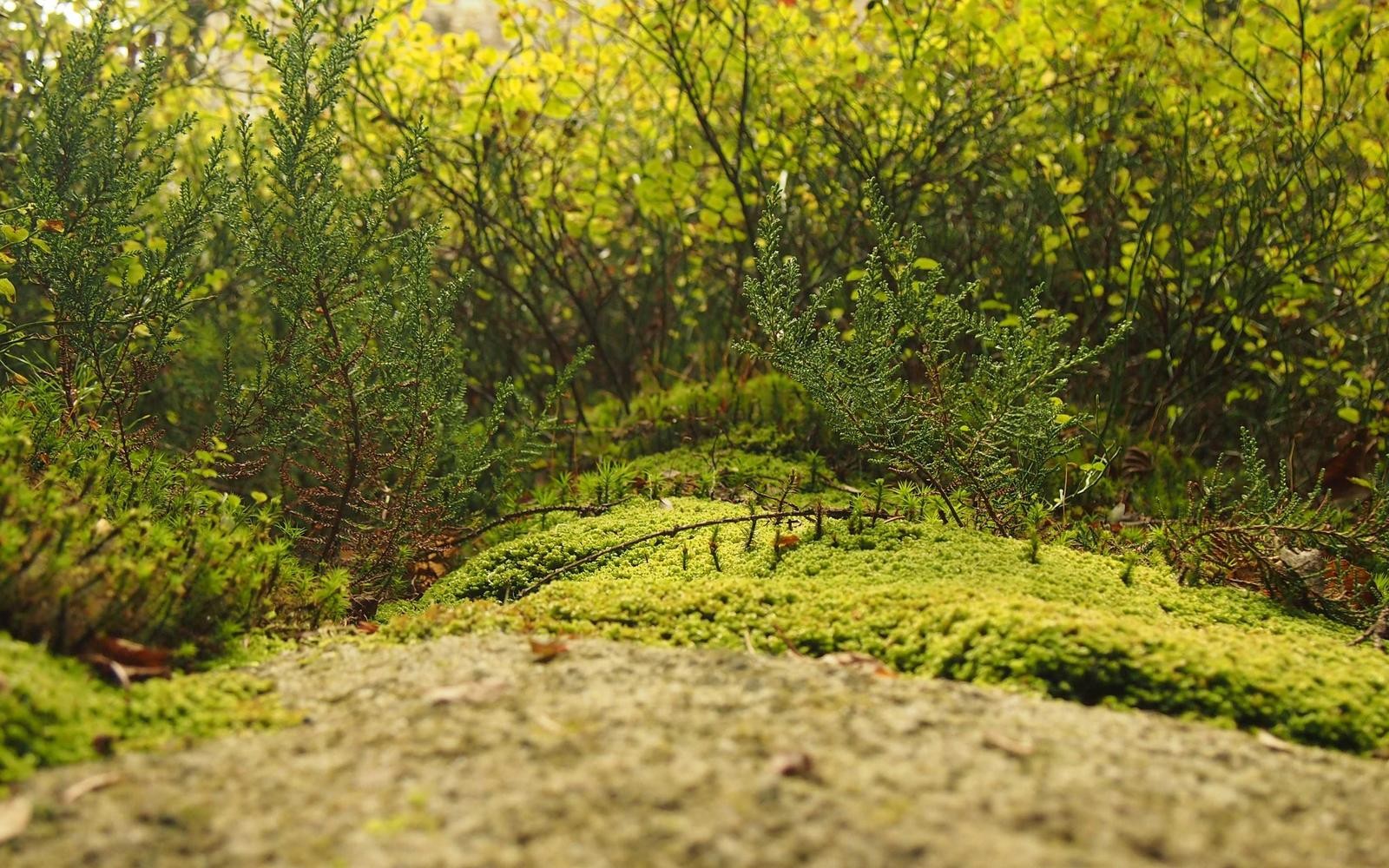
Why we chose geographical storytelling over dialogue trees, and how ancient ruins, dried riverbeds, and signal towers become chapters in an unwritten story.

Exploring the mechanic of 'signal locks' — how we guide the player toward hidden landmarks without explicit markers, and the accidental poetry that emerges.

A retrospective on early prototypes, the moment the footprint system clicked, and what playtesters taught us about the joy of getting lost.
A technical art post on our unique pixel-art-meets-watercolor style, and how we use color decay, moss growth, and weather to convey the passage of time.

How we optimized the path-history system for hundreds of hours of play, thread-free entity streaming, and the compromises that kept the game playable on low-end hardware.
Vimbu is an atmospheric exploration game where every map is shaped by the footsteps of those who came before. You inherit a weathered cartographer's journal and a device that reads the lingering echoes of past travellers. Navigate a shifting wilderness of moss-covered ruins and signal-scarred terrain, where each path you tread becomes a permanent line on the atlas—a record of discovery that future wanderers will follow. The world remembers your journey, and every footprint tells a story.
Everything you need to know about Vimbu and its living maps.
Every path you walk in Vimbu is etched into the world's cartography. Routes you take become permanent trails on your atlas, glowing faintly for reference. The map doesn't just guide you — it records your journey, creating a personal chronicle of exploration.
Progress is persistent. Your footprint trail, discovered landmarks, and unlocked chapters remain across play sessions. There are no run resets or permadeath mechanics — the atlas grows with you.
We're launching on Windows, macOS, and Linux via Steam and itch.io. A Nintendo Switch port is in early evaluation. Console availability will be announced after the PC release.
A focused exploration run is about 8–12 hours, but the atlas encourages revisiting areas to uncover hidden paths and narrative fragments. Completionists can expect 18+ hours of content.
Yes. The game is entirely single-player and offline. No online connectivity is required after initial download. Your atlas data is saved locally.
We plan to release free content updates that add new biomes, atlas pages, and narrative chapters. A roadmap will be published on the Steam community page shortly after launch.